


The Unforgiven: Why Time Alone Cannot Heal the Wounds of Betrayal
- Dec 23, 2025
- 3 min read
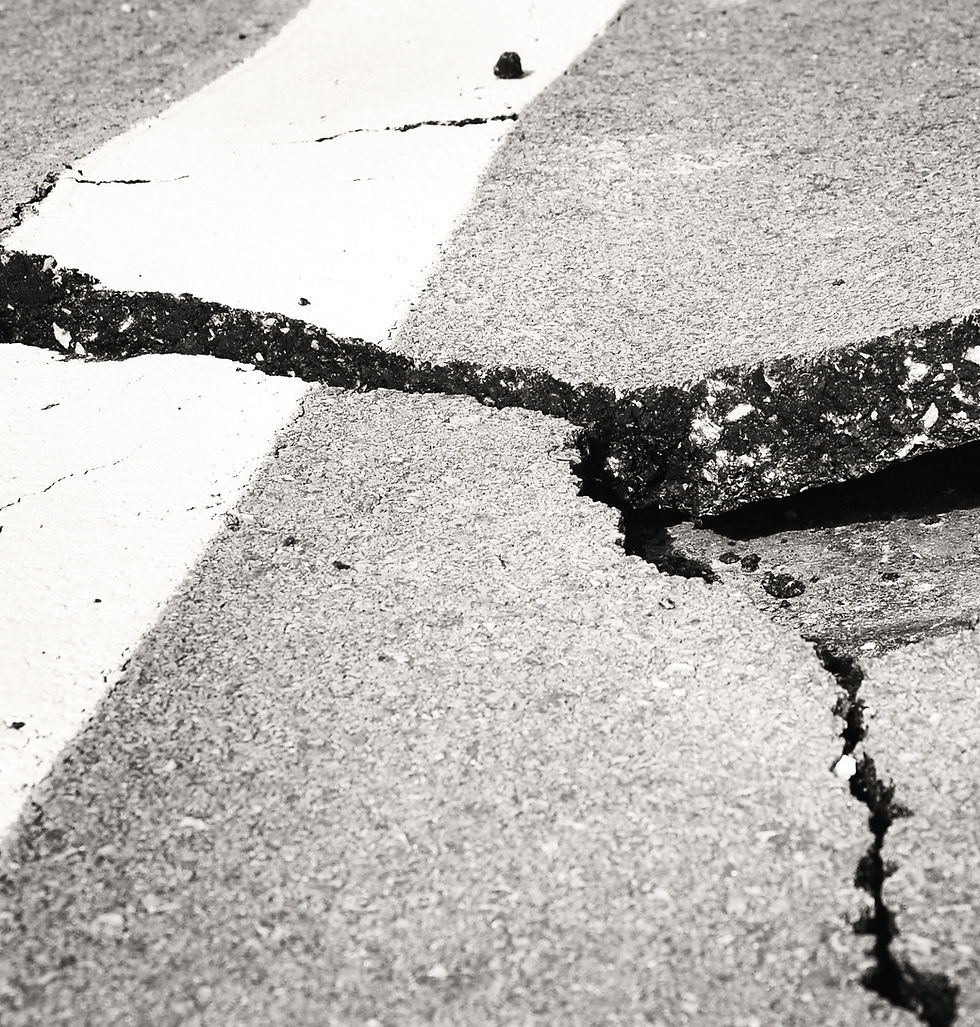
Betrayal leaves a mark that time cannot erase.
Time passing is not an apology.I did not forget what happened. I carry it deeply — in my heart, my mind, and my soul. The pain, the tears, the heartbreak… they are still vivid. Some wounds don’t fade quietly. They live inside you, reshaping how you move through the world.
You ask why I keep bringing it up.
The answer is simple: because you never acknowledged the damage you caused.
You never recognized how your selfish actions affected me — or my family. You refuse to face the consequences of what you did. Instead, you remind me often of what I could have been or should have done, without ever admitting that your choices made those paths impossible.
You changed the course of my life.
And yet you let time pass as if silence equals accountability. As if distance replaces responsibility. As if enough years gone by somehow erase the harm.
They don’t.
So go ahead — let time keep moving.
That apology?
It is long overdue.
The Myth That Time Heals All Wounds
Many people believe that time alone heals emotional wounds. That if enough days, months, or years pass, the pain will soften and forgiveness will magically follow.
But betrayal is different.
It isn’t a scrape or a bruise that fades with rest. Betrayal cuts into trust, safety, and identity. It shakes the foundation of relationships and leaves scars that do not disappear simply because the calendar keeps turning.
Time may dull the sharp edges of pain, but it does not erase the memory or the impact. And when there is no acknowledgment or apology, the wound stays open — quietly festering beneath the surface.
Why Acknowledgment Matters More Than Time
Healing doesn’t begin with time.It begins with acknowledgment.
Acknowledgment means recognizing the harm caused and taking responsibility for it. Without that, the person who was betrayed is left to carry the weight alone. Silence or denial often feels like a second betrayal — one that reinforces the original hurt.
Acknowledgment validates the pain.
It says, I see what I did. I see how it affected you.
Without it, time becomes less of a healer and more of a reminder of what was broken and never repaired.
The Importance of Genuine Apology
An apology is more than words.
A genuine apology reflects understanding, remorse, and accountability. It acknowledges the pain caused and respects the person who was hurt. It does not excuse or minimize. It does not rewrite history. It owns it.
Without an apology, healing often stalls. The absence of accountability keeps the wound open and the pain alive.In my case, the apology I needed never came.
Instead, I’m reminded of what I lost — without recognition of the role your selfishness played in that loss.
Moving Forward When Apology Is Missing
Healing without an apology is difficult but not impossible. It requires setting boundaries, seeking support, and focusing on self-care. Here are some steps that can help:
Accept your feelings: Allow yourself to feel anger, sadness, or disappointment without judgment.
Seek support: Talk to trusted friends, family, or a counselor who can provide understanding and guidance.
Set boundaries: Protect yourself from further harm by limiting contact or changing the nature of the relationship.
Focus on your growth: Engage in activities that build your confidence and sense of self.
Practice forgiveness on your terms: Forgiveness does not mean forgetting or excusing the betrayal. It means freeing yourself from the hold of resentment.
Why Bringing Up the Past Is Necessary
Bringing up the past isn’t about punishment.
It’s about truth.
When betrayal is ignored or minimized, it invalidates the pain and the lasting changes it caused. Speaking about it is a way to seek recognition, accountability, and closure — even if it’s never fully granted.
Silence protects the person who caused harm.
Speaking protects the one who was hurt.
Final Thoughts on Healing and Accountability
Time passing does not erase betrayal.
Healing requires acknowledgment, accountability, and sometimes uncomfortable conversations. When those are missing, the pain doesn’t disappear — it simply learns how to live quietly inside us.
If you’ve been betrayed, your feelings are valid.
You deserve recognition and respect.
Healing is possible — but it requires more than waiting.
And if you are the one who caused harm, know this: a sincere apology holds immense power. It can open the door to healing, accountability, and — in some cases — restoration.
Time alone cannot do that.
XX, Kelleen


Comments